Why this blog
The reason I am creating this blog is to give some visibility into what (for me) goes into building a project with agents. The hope is that the more we see ‘under the hood’ of each other's work, the more we develop a shared understanding of what is possible, and what it takes to get there.
We live in strange times — tools and capabilities are changing quickly, and the risk in such a scenario is that even people working closely together can have wildly different mental models of ‘how work is done’. That can create very different expectations of what type of work can even be done, in what timeframe, and using what resources.
The situation is particularly puzzling because, on the one hand, you see people who think software engineering is DONE, anyone can do it, you just write this to Codex, right? (not wrong!). Meanwhile, actual practicing software engineers struggle to adopt it at scale and deliver the magic that — frustratingly for the external observers — should be possible now and just can't come soon enough.
So while the outsiders want a quick dose of magic, the insiders wonder wtf are they talking about. Meanwhile, our users are still not drowning in magical experiences.
But then, once in a while, someone is able to deliver a magical experience in a short timeframe with almost no resources.
How do you reconcile that?
Surely something must be wrong with it — perhaps it’s slop. For sure it’s not product. It cannot be.
And while one side sees it as vindication that YEAH, there is magic and SW development IS DONE if only we adopted xyz, the others actually working in SW see it from the sidelines as perhaps generating distractions with ‘non-product slop’ that’s not ‘real engineering’.
The nuance is, of course, somewhere in the middle.
There is magic.
It’s still not easy. It’s still not for everyone. The work is just as hard as before, if not harder. It’s spread out wider. You have less control, but more leverage. When things stick, you can move mountains. They don’t always stick.
A lot more things can be built. No, not anything is possible. It’s not easy to say what is and what isn’t — that still needs deep technical expertise. Many more things can now be done than could be before, but not all of them are worth doing.
To top it all off, all these assessments are valid only in the short term. In three months, something that was not worth pursuing today might very well be.
So what’s the remedy?
We need to have empathy, and realise that it’s harder than it looks to those who think it’s easy — hard because it still takes time and energy, but also because it is very different from what used to be ‘work’ before.
And for those doing the work: a lot of previously-thought-crazy things are within reach now, which is exciting. So we need to find that curiosity within us to build new things, better things, and invest the time and effort it takes to do so.
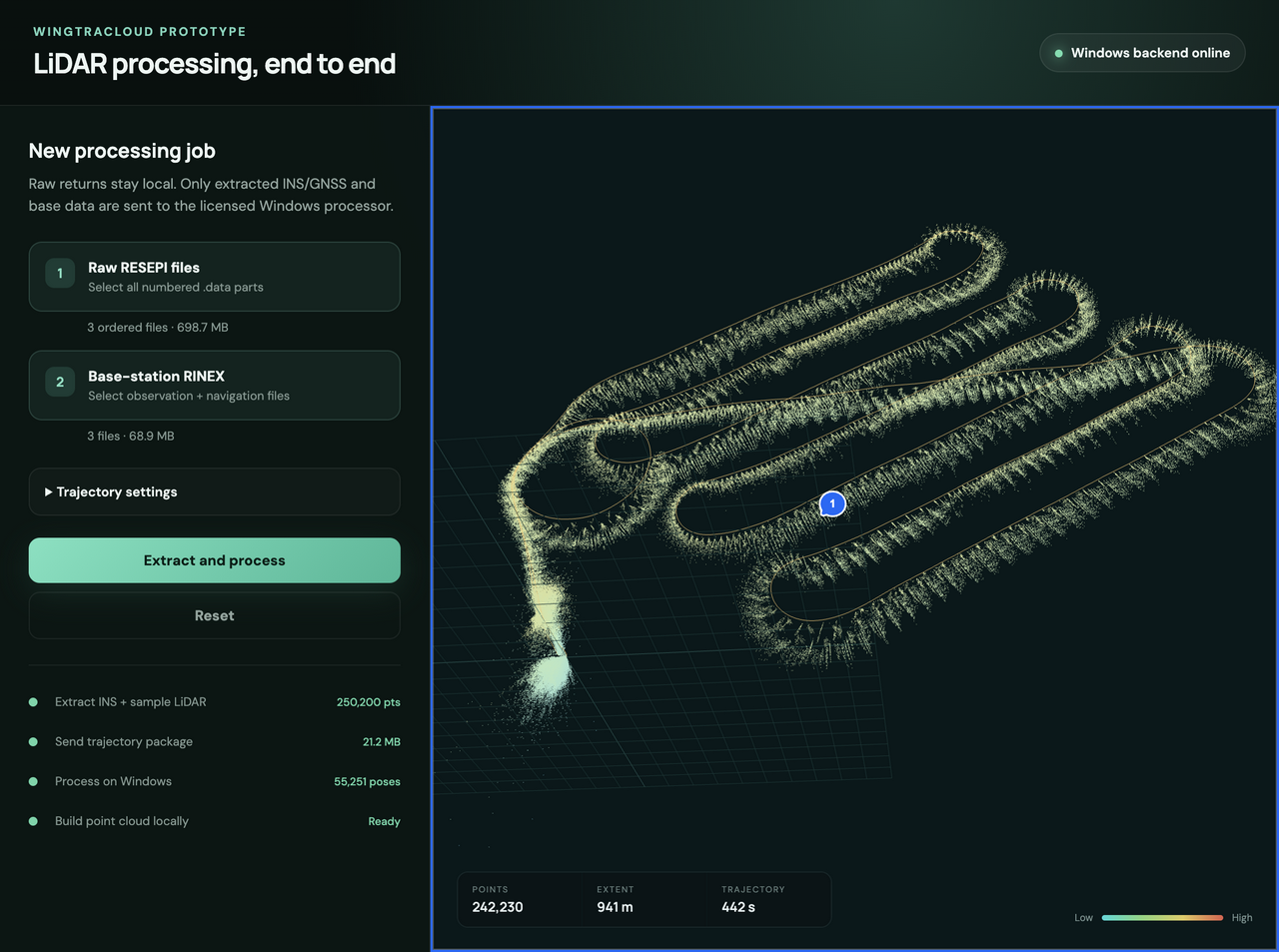
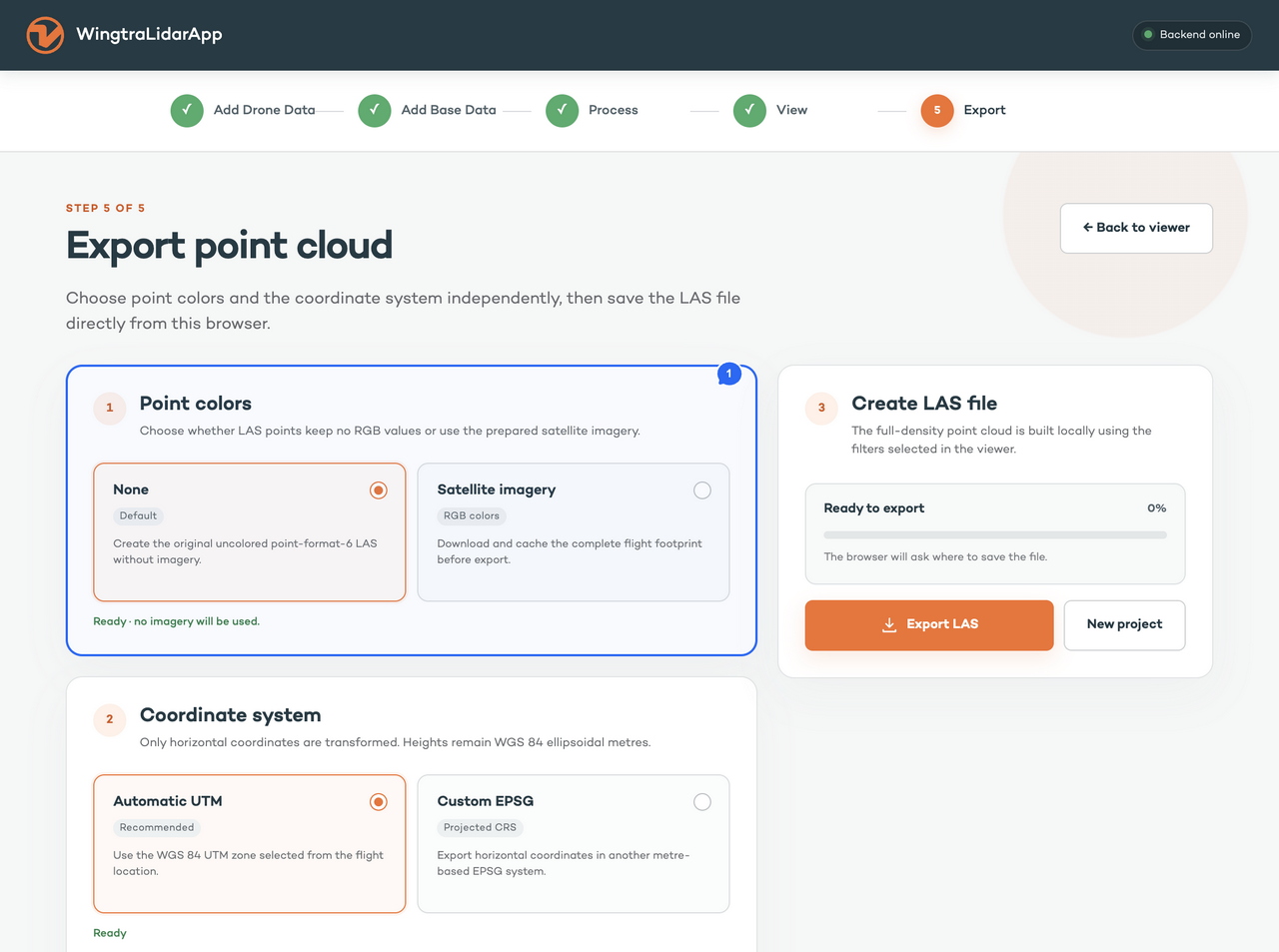
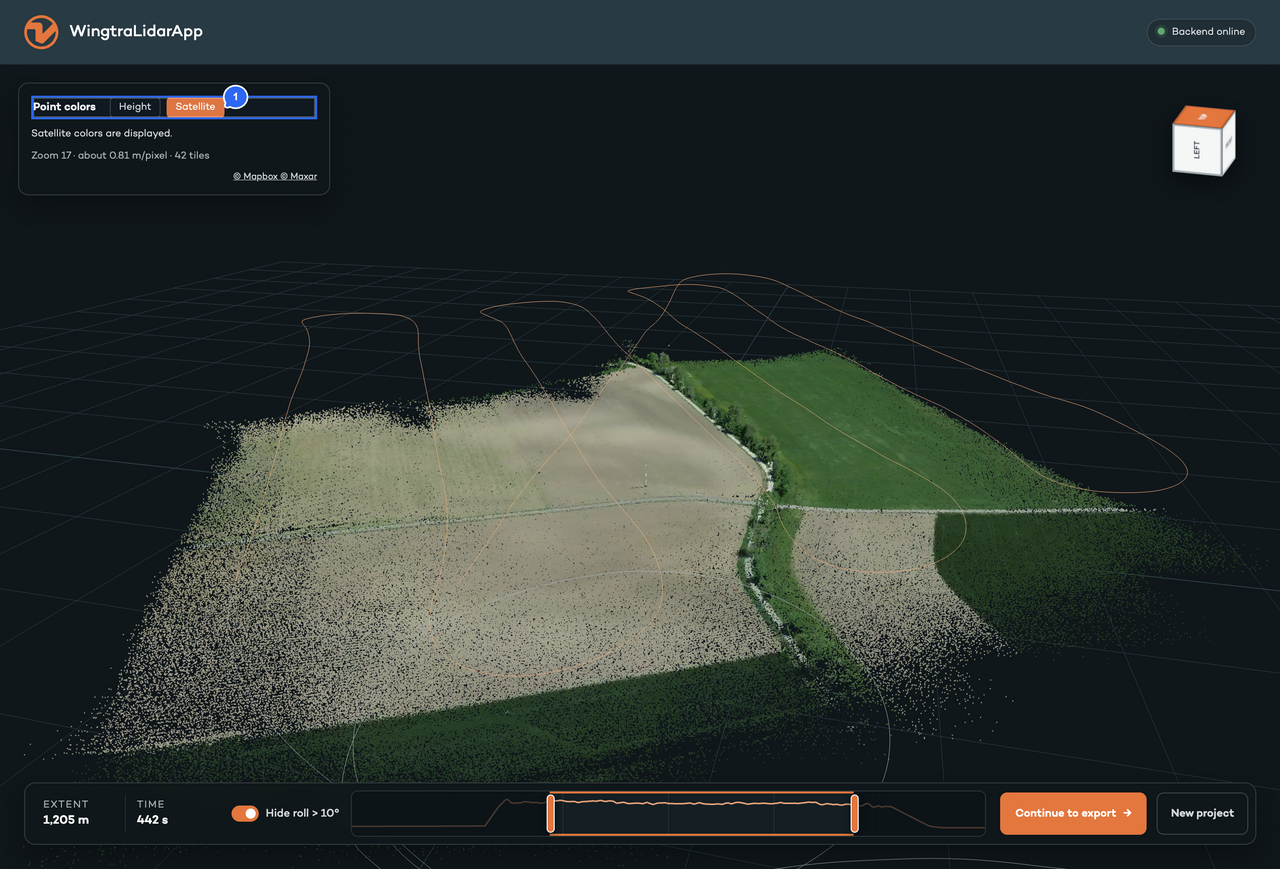
This project is neither the biggest nor the best one built this way, but it is a nice, medium-sized sample of what a small team can build in a handful of days when working with agents.